
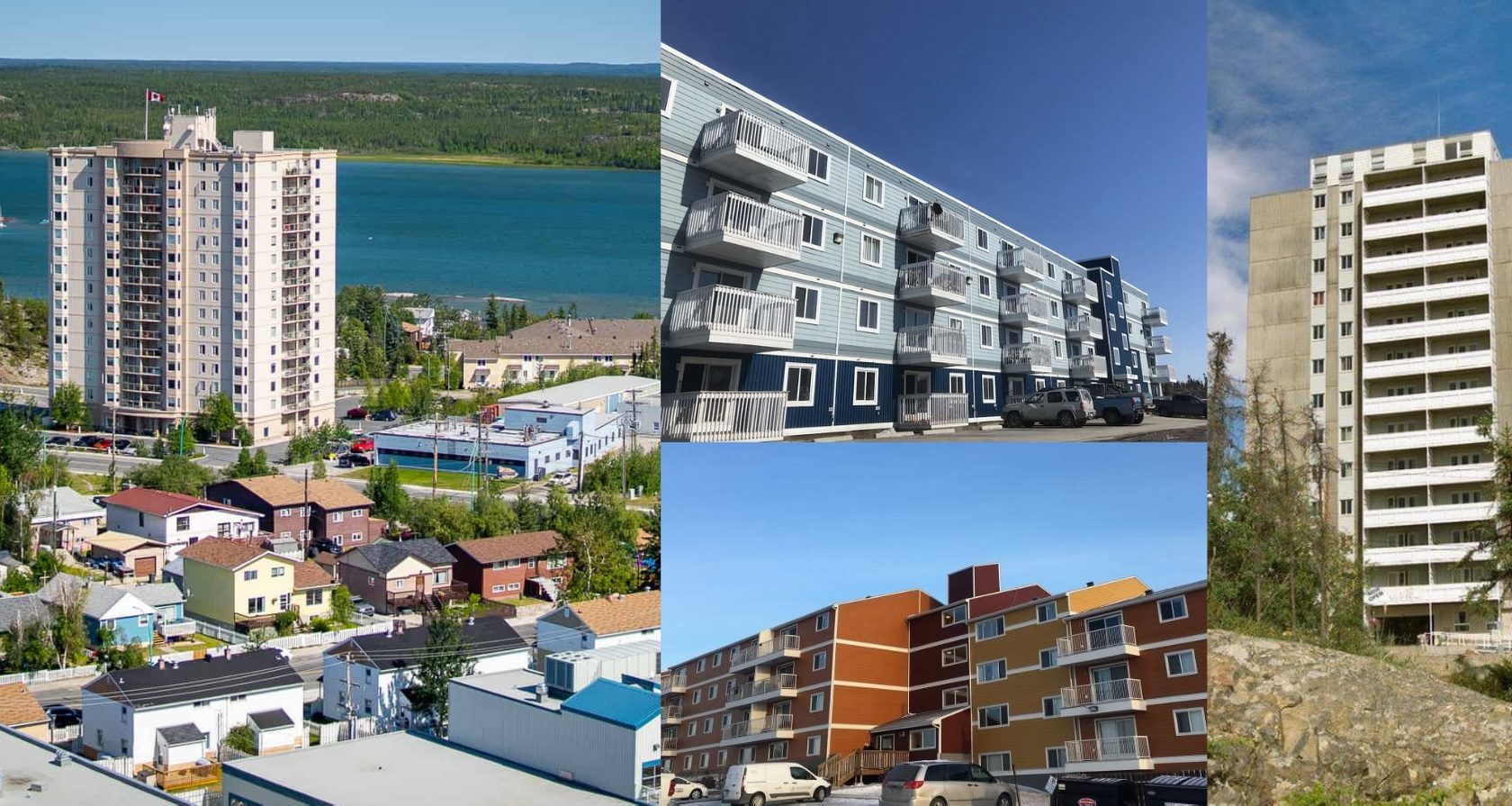
Why is Yellowknife’s Apartment Vacancy Rate Still Dropping?
It seems that no matter how many times I sign up for their notifications, CMHC loves updating its Rental Market Survey quietly, in the middle of the night, when few people are watching. But that criticism aside, it’s great that we now have 2025 statistics on our Yellowknife rental market supply, rent levels and vacancy rate. You can find the lastest stats here.
The million dollar question for me over the last few years has been, what happens to the apartment vacancy rate if you increase the total number of apartment units by almost 20% over a three-year span? In October of 2022, we had a total of 1,702 apartments in Yellowknife, and 56 of them were vacant, which works out to a vacancy rate of 3.3%. Fast forward to October of this year, we now have 2,024 apartments in town, an increase of 322 units. How many are vacant? A measely 26 units, representing a vacancy rate of 1.3%.
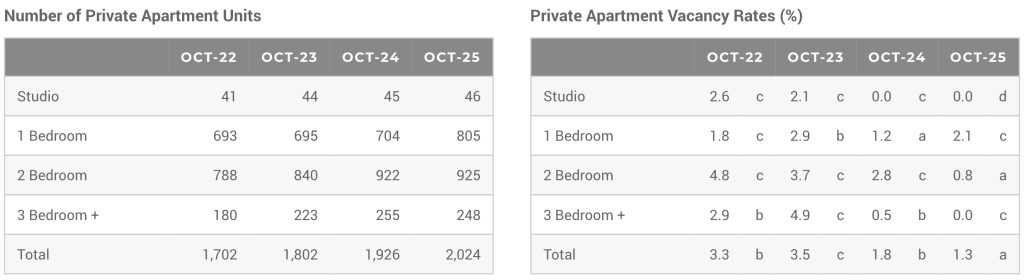
I’ll be the first to admit, this was not my expectation. I assumed that if we added 300+ apartments, our vacancy rate would skyrocket. But instead our rental market is now tighter than it has been in years. I can’t count how many times a year people ask me where all this new demand is coming from? Surely we are not adding jobs in Yellowknife, with diamond mines winding down and the national economy slowing? But yet, despite what seem like strong headwinds, somehow there were 14% more people employed in our city in 2024 than there were in 2021 (see Table LFS105 here). Could this all be due to pandemic hiring? Surely that must have something to do with it, although I would have thought the pandemic hiring boom took place a bit earlier than 2021.
The big x-factor is pent-up demand, or as economists apparently now refer to it, “shadow demand.” Deputy Chief Economist for CIBC, Benjamin Tal, recently used this term to describe the habit of people and familes “doubling up” in apartments when rents are high or supply is low. As soon as rents drop to an affordable level, or new units become available, people move out to take up these new units. In the North we have another source of shadow demand that might be even greater, employees who live in the South but fly in and out for work. I’ve written numerous times over the last few years about what seems like a growing trend of not just large employers, but small businesses who have to fly staff in and out just to fill vacancies in their rosters. Of course, these workers still have to live somewhere while they are here, but a lot of them are taking rooms in staff housing or hotels, neither of which is captured in the rental market survey.
Where will our vacancy rate go in the future? Well, we have one new 72-unit apartment building that opened this month and one 24-unit building that will open in the spring, and according to the City of Yellowknife several dozen secondary suites that are being built around town. I’m not sure if the suites will be captured by CMHC, but the apartments will. We also have one hotel being built on Old Aiport Road and one other closer to downtown, but these will only have an indirect impact, and may very well be filled the moment they open in a couple years’ time. Will we finally catch up to shadow demand and job growth in 2026? I have to say, I’m pretty sceptical. Let’s keep those apartment buildings coming.